
Debunking Myths: Are Relocated Homes Old, Unsafe, or Outdated?
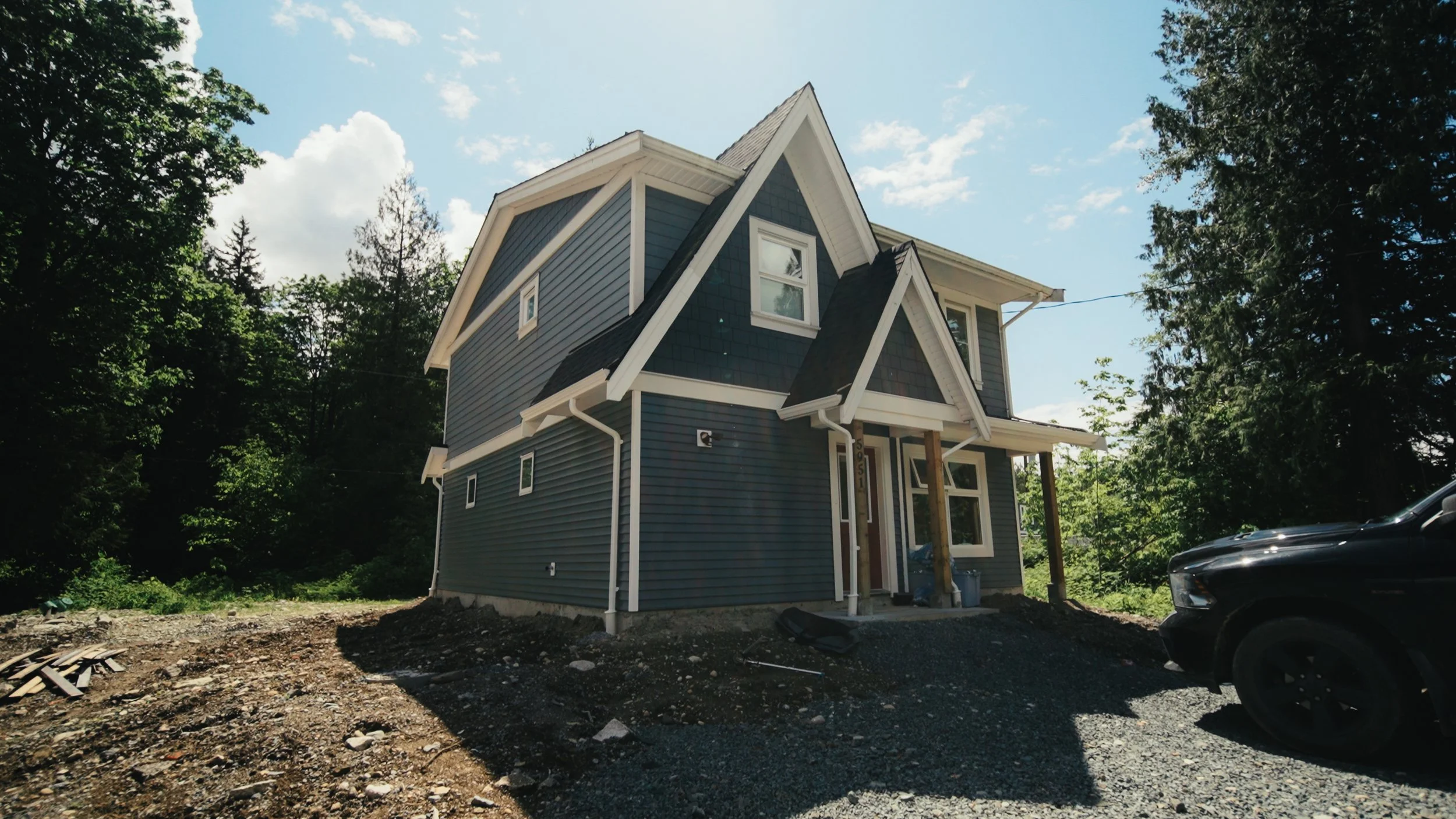
When people hear about rescued and relocated homes, they often envision dilapidated structures, peeling paint, or outdated layouts. While these misconceptions are common, they couldn’t be further from the truth. Relocating homes offers an innovative, sustainable, and affordable approach to housing, but these myths can prevent homeowners, developers, and communities from fully appreciating the value of this solution.
At Renewal Development, we want to set the record straight. We’re debunking the myths surrounding relocated homes and show why they’re not only viable but often superior housing options.
Myth 1: Relocating a home takes too long and is too complicated
Relocating a home requires careful planning. But the process is more straightforward than most expect, especially when working with an experienced team. Renewal Development manages every step, including:
Assessment and Planning: Evaluating the home, site, and logistics to ensure a smooth relocation.
Modernization: Upgrading the home to meet current standards.
Delivery and Setup: Transporting the home to its new location and ensuring it's fully functional.
Because the core structure already exists, the process focuses on transport, customization, and upgrades rather than construction from the ground up. This often leads to a faster path to move-in than building new.
Myth 2: Rescued homes are poor quality
Many assume that homes slated for demolition are poorly built or no longer valuable. In reality, hundreds of high-quality homes are slated for demolition due to zoning changes, urban redevelopment, or densification projects unrelated to the homes' condition.
Older homes frequently feature superior materials that are hard to source today:
Old-growth wood: Denser, stronger, and more durable than many modern alternatives, old-growth wood is frequently used in older construction and increasingly difficult to source new.
High-quality fixtures: Original doors, cabinetry, and hardware are often crafted with a level of care and precision rarely found in mass-produced modern equivalents.
Built to last: Many older homes were built with materials and techniques designed to withstand the test of time.
By salvaging and updating these homes, we preserve their inherent quality while addressing modern needs.
Myth 3: Renewal Homes are too expensive
Some assume that relocating and modernizing a home costs as much as, or more than, building new. In reality, repurposing an existing home offers a meaningfully more affordable path to quality housing. Renewal Homes are typically 20-40% below the cost of prefab or new construction. Because the core structure is already built, costs are concentrated on transport, site work, and customization rather than ground-up construction.
Reduced material costs: The home's structural components already exist, cutting one of the largest expenses in new construction.
Reduced labor costs: Renovation and modernization require significantly less labor than building from the ground up.
Proven at scale: The Squamish Nation Emergency Housing Project, finalized in early 2026, delivered fully accessible, energy-efficient emergency and transitional housing at $147 per square foot for the relocated and renovated unit. This is roughly 65% below comparable modular construction (~$356/sq ft) or stick-frame new builds ($375-425/sq ft) in Metro Vancouver's high-cost housing market (Learn more).
The result is a home that delivers the quality and character of established construction at a meaningfully more accessible price point than building new. While individual project savings vary, Renewal's model consistently demonstrates that affordability doesn't require compromising on quality or community fit.
Myth 4: Rescued homes are unsafe
Safety is another common concern, but it’s one that’s easily addressed. Every rescued home goes through a rigorous inspection process to identify and resolve any structural, electrical, or plumbing issues. At Renewal Development, safety is a top priority, and our process includes:
Thorough Assessments: Homes are carefully evaluated before relocation to ensure they’re suitable for salvage. Evaluation includes HAZMAT testing (and abatement when necessary), third-party inspection reports, structural engineering reports, etc.
Code Compliance: During modernization, all updates adhere to or exceed current building codes.
Specialized Expertise: Our team of skilled professionals handles every aspect of the relocation and renovation process, ensuring that homes are safe and secure for their new owners.
Repurposed homes are often as safe or safer than new builds, thanks to their meticulous renovation and inspection process.
Myth 5: Renewal Homes are old and outdated
The idea that Renewal Homes are outdated is one of the most persistent myths. Our Renewal Homes often feature timeless architectural details, high-quality materials, and craftsmanship that’s hard to replicate in modern construction.
Renewal Homes undergo thorough modernization to meet today’s standards. Updates include:
Energy-efficient upgrades: Insulation, windows, and HVAC systems are replaced to improve energy efficiency and reduce long-term operating costs.
Modern finishes: Kitchens, bathrooms, and living spaces are refreshed with contemporary designs and materials, blending classic charm with modern functionality.
Structural improvements: Foundations, roofing, and framing are reinforced or replaced as needed, ensuring the home is built to last.
The result? A home that combines the character and durability of older construction with the comfort and convenience of modern living.
Myth 6: Renewal Homes don’t fit modern lifestyles
Some people worry that Renewal Homes aren’t adaptable to modern needs, but this couldn’t be further from the truth. Renewal Homes can be customized to suit a variety of lifestyles, including:
Single-family living: Spacious layouts and modernized interiors make renewal homes ideal for families.
Laneway homes or ADUs: Compact, efficient designs allow rescued homes to serve as secondary units or rental properties.
Remote or off-grid living: Renewal Homes can be relocated to rural or remote areas, providing an affordable and sustainable housing solution.
With thoughtful updates and customization, rescued homes can meet the demands of today’s homeowners while retaining their unique charm.
Why Choose Salvaged Homes?
Debunking these myths reveals the true potential of salvaged homes. They’re not just an alternative to traditional construction—they’re a sustainable, high-quality option that benefits homeowners, communities, and the environment. Here’s why Renewal homes are worth considering:
Environmental Impact: Salvaging homes reduces landfill waste, conserves resources, and lowers the carbon footprint of housing development.
Affordability: Relocating and modernizing a salvaged home is often more cost-effective than building new.
Character and Quality: Salvaged homes offer a unique blend of classic craftsmanship and modern upgrades.
A Future Built on Sustainability
At Renewal Development, we’re passionate about showcasing the value of salvaged homes. By challenging outdated perceptions and embracing innovative solutions, we’re helping to create a future where quality housing is both accessible and sustainable.
If you’re interested in learning more about salvaged homes or exploring how they can meet your housing needs, we’d love to connect. Together, we can redefine what’s possible in the world of housing.
Interested in a Renewal Home?
Check out our available Renewal Homes in Coastal BC, Greater LA or click the button below to get in touch with us directly!